
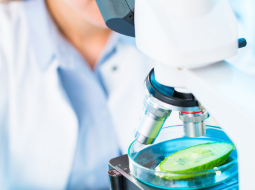
The Department of Applied Sciences has an exciting and extensive portfolio of subjects including biology, biomedical sciences, chemistry, forensic science, food and nutritional sciences.

Northumbria Law School is one of the largest law schools in the UK, with a national and international reputation for excellence in legal education for those interested in studying law.
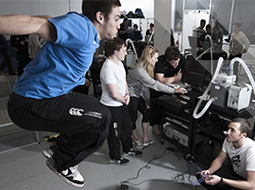
The Department of Applied Sciences has an exciting and extensive portfolio of subjects including biology, biomedical sciences, chemistry, forensic science, food and nutritional sciences.
Northumbria Law School is one of the largest law schools in the UK, with a national and international reputation for excellence in legal education for those interested in studying law.
Latest News and Features

Researchers exploring hidden reasons women with MS struggle each month
Northumbria University researchers are calling on women to support a new study, which could…

North East stars among leaders honoured by Northumbria University
Northumbria University is awarding honorary degrees to 14 distinguished individuals at its…

Creative talent shines as Northumbria celebrates 70 years of Fashion at Graduate Fashion Week
The creative skills of final year Fashion students from Northumbria University have once again…
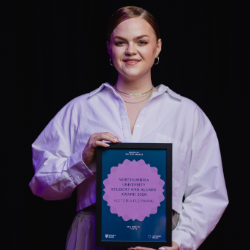
From Columbia Records to Creative Writing: Northumbria student Victoria Flemming wins Northern Writers’ Award
A Northumbria University Creative Writing student who built a career at Columbia Records and…

Northumbria named in UK's top 50 employers of veterans
Northumbria University has been named one of the 50 GREAT British Employers of Veterans 2026…
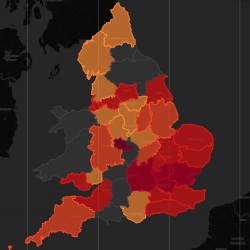
AI in policing: safeguards can't keep up, new research warns
Artificial intelligence is being adopted across policing and the wider criminal justice system…
Northumbria in top 35 universities worldwide for sustainability
Northumbria University is officially one of the best universities in the world for sustainability,…
.png?modified=20260624091022)
Northumbria University launches The North Edit Magazine
Northumbria University has published the first edition of The North Edit, a new high-quality…
More events
Upcoming events

Next Stop Northumbria
The Queens Hotel, Leeds
-
Restorative Just Culture Research Dissemination Event
Northumbria University
-

NU-NHSA Launch Event
Northumbria University
-
The Past We Inherit. The Future We Build: Better Decisions Happen Together
The Great Hall, Sutherland Building
-
